When Your Child Refuses to Go to the Other Parent's Home
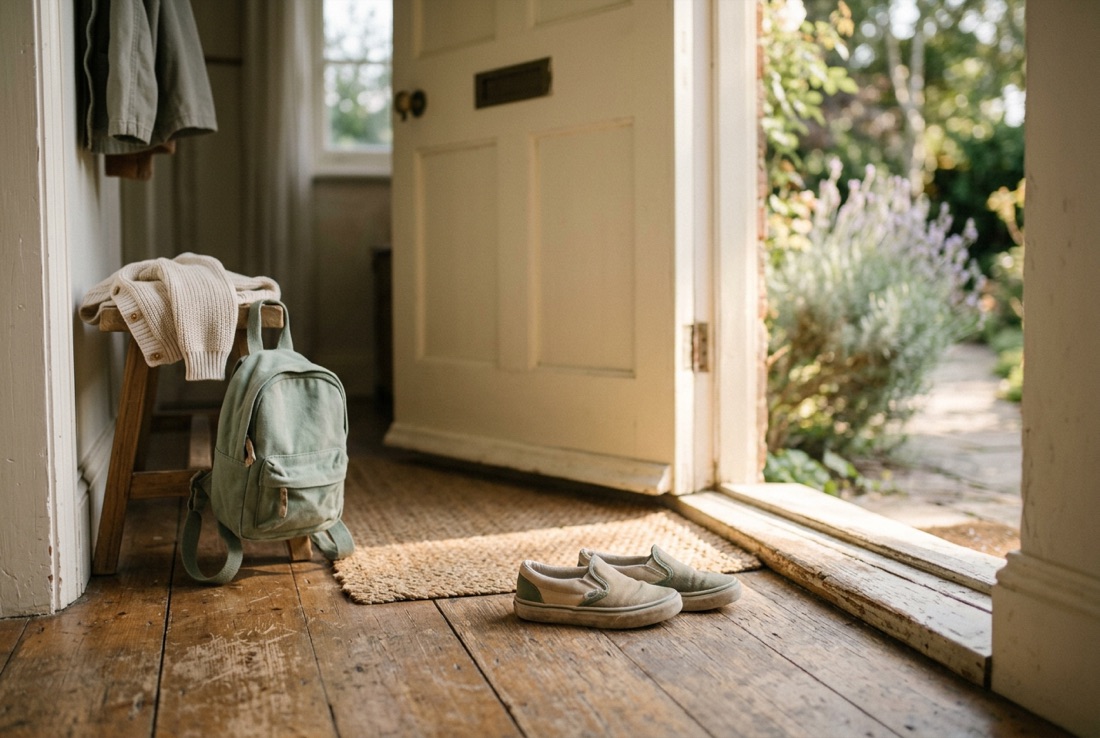
The moment arrives: your child is due at their other parent's home, and suddenly they're crying, stalling, hiding shoes, or flatly saying "I don't want to go." Your stomach knots. Are they being manipulated? Is something wrong over there? Are you doing something wrong? Before you spiral, take a breath. A child refusing to visit a parent is one of the most common and most misread situations in separated families. It usually says far less about the other home than it feels like in the moment, and there is almost always a calm, constructive way through it.
This article walks you through the real reasons behind the refusal, how to respond in the heat of the moment, what to say and what to avoid, and when the situation genuinely warrants outside help. Throughout, the goal is the same as yours: your child's wellbeing, not winning a point against your co-parent.
First, understand what refusal usually means
It is tempting to read a refusal as a verdict, that your child prefers your home, or that the other parent has failed. In reality, refusal is rarely about the destination. It is most often about the transition itself, the hard, unnatural act of leaving one loved parent to go to another.
Children live in the present. Leaving you feels like a loss, even when they'll have a perfectly good time within twenty minutes of arriving. The tears at the door are frequently grief about the goodbye, not dread about the arrival. This is developmentally normal, especially between ages three and eight.
Common reasons, from ordinary to serious
- Transition friction: the switch is abrupt, badly timed (mid-play, mid-cartoon), or lands when your child is tired or hungry.
- Missing something concrete: a comfort toy, a game console, a friend's birthday, a pet at your house.
- Loyalty conflict: the child senses that going "upsets" one parent and refuses to protect them.
- Testing limits: a normal bid for control in a life where they control very little.
- A real friction at the other home: a new partner, a strict rule, boredom, less attention, a shared bedroom.
- Genuine distress: in rarer cases, fear linked to safety. This deserves attention, not dismissal, and we address it below.
What to do in the moment
Your reaction in those five minutes at the door matters more than almost anything else. Children read your body before your words. If you look anxious or relieved, they learn that refusing works, or that the other home is dangerous.
Stay warm, calm, and matter-of-fact
Acknowledge the feeling without amplifying it. Try: "You really don't feel like going right now. That's okay, it's hard to say goodbye. And Dad is looking forward to seeing you, you'll have your soccer at his place." You validate the emotion, then gently point forward. You are not negotiating whether they go, only helping them cross the bridge.
Do not put the decision on the child
Asking a seven-year-old "do you want to go or not?" hands them an adult responsibility they cannot carry. It also traps them in loyalty conflict. The schedule is a decision the adults have made; your child's job is only to have their feelings about it, which you welcome.
Keep goodbyes short and confident
Long, tearful farewells feed the anxiety. A firm, loving handover, a hug, a "see you Sunday, I love you", and a clean exit usually settles a child faster than an extended negotiation. Prolonged doorstep dramas teach the child that the door is a stage.
Prepare transitions before they blow up
Most refusals can be softened upstream, long before the door. The single biggest lever is predictability. A child who knows exactly what's coming has far less to resist.
- Give clear warnings: "In twenty minutes we get your bag ready for Mum's." No child likes being yanked out of the present without notice.
- Build a ritual: the same song in the car, a special snack, a fixed handover spot. Ritual turns a rupture into a routine.
- Let them carry a bridge object: a soft toy, a photo, a note that travels between homes so nothing feels fully left behind.
- Make packing calm and shared: a light packing checklist for two homes removes last-minute panic about the forgotten charger or comfort blanket.
A predictable rhythm across both houses does more heavy lifting than any single conversation. If bedtimes, meals, and rules swing wildly between homes, transitions feel like whiplash. Working toward consistent routines across two homes quietly reduces resistance over weeks and months. This is also where a shared calendar helps, so both parents and, when age-appropriate, the child can see the same predictable rhythm; a co-parenting app like Hyphen keeps that schedule in one calm place instead of contested texts.
Talk to your child, and listen without leading
Away from the doorway, when things are calm, gently open the door to conversation. The aim is to understand, not to build a case.
Ask open, neutral questions
Avoid "Is something wrong at Daddy's?", which plants an idea and invites a child to please you. Prefer open prompts: "What's the best part of being at Daddy's? What's the hardest part?" You'll often discover the real, mundane issue, a scary dog next door, missing their game, a bedroom that feels bare.
Take small complaints seriously and solvably
Many refusals dissolve once a concrete need is met: a nightlight, their own toothbrush at each home, a favourite cereal, a friend invited over. Naming the real problem and fixing it teaches your child that speaking up works better than shutting down.
Support the other home, even when it's hard
This is the part that costs the most and matters the most. Every time you signal, in words, tone, or face, that the other parent is safe and loved, you lower your child's anxiety. Every time you undermine it, even subtly, you raise it.
- Speak of the other home warmly and specifically: "You've got your bike over there, that's fun."
- Never ask your child to report back or carry messages. They are not a courier or a spy.
- Resolve adult conflicts in an adult channel, not through the child. Calm, written co-parent communication keeps friction away from little ears.
- If you're relieved when they don't want to go, notice it, and keep it entirely to yourself.
Refusal that lines up with a bigger adjustment struggle can be part of settling into life across two homes, which for most children eases with time, patience, and consistency from both parents.
When refusal signals something more
Almost all refusal is ordinary. But you should pay closer attention, and seek support, if you notice a pattern rather than a moment: persistent nightmares, regression (bed-wetting, clinginess far beyond the norm), physical symptoms before every visit, withdrawal, or specific, consistent fears about safety rather than vague reluctance.
If your gut is genuinely worried about your child's welfare in the other home, that is different from ordinary refusal and deserves careful, non-alarmist attention. Some clues overlap with broader signs a child is struggling with divorce, which are worth learning to recognise. Document what you observe factually, without interrogating or coaching your child, and consult a professional: your paediatrician, a child psychologist, or a family mediator.
On the legal side, keep in mind that rules and your obligations around a custody schedule vary significantly from one country to another. Refusing to hand over a child, even a distressed one, can have serious legal consequences in some places, while in others there are protective steps you can take. This article is general guidance, not legal or medical advice; if there is a real safety concern or you're unsure of your rights, speak to a qualified family lawyer or the appropriate local authority.
Conclusion
A child who refuses to go is not a broken child, a bad parent, or proof that the other home has failed. Most often, it's a small person struggling with a big, unnatural goodbye, and looking to you to show them it's safe. Stay warm, keep the transition predictable, listen without leading, and support the other home even when your own feelings tug the other way. In the vast majority of cases, patience and consistency do the quiet work that no single perfect sentence can. And in the rare cases where something more is going on, calm observation and the right professional, not conflict at the doorstep, are what protect your child best.
Put this into practice with Hyphen
Shared custody calendar, calmer messaging and expense tracking — everything you need to co-parent peacefully, in one app.
Download Hyphen on the App StoreFrequently asked questions
Can I legally refuse to send my child if they don't want to go?
Generally, a custody schedule is a decision made by parents or a court, and a young child's reluctance does not by itself suspend it. Withholding a child can carry legal consequences in many places, so this is not a decision to make alone. If you have a genuine safety concern, document it factually and consult a family lawyer or local authority, as rules vary significantly by country.
My child cries every single time at the door. Is that normal?
Yes, this is very common, especially between ages three and eight, and it usually reflects grief about leaving you rather than fear of the other home. Most children settle within twenty to thirty minutes of arriving. Keep goodbyes short, warm, and confident, and you'll often see the tears fade as a predictable ritual takes hold.
Should I ask my child what happens at the other parent's house?
Ask open, neutral questions like "what's the best and hardest part of being there?" rather than leading ones that suggest something is wrong. Avoid turning your child into a messenger or informant. If you have a specific safety worry, note what your child says spontaneously and raise it with a professional rather than interrogating them.
How do I know if the refusal is serious?
Look for a persistent pattern rather than a one-off scene: nightmares, regression like bed-wetting, physical symptoms before every visit, withdrawal, or specific and consistent fears about safety. Ordinary reluctance eases with routine and reassurance. If worrying signs continue, consult your paediatrician, a child psychologist, or a family mediator.
What if I secretly think my child is better off staying with me?
That feeling is human, but keep it entirely to yourself, because children read our tone and faces long before our words. Signalling that the other home is unsafe or that you'd rather they stayed raises your child's anxiety and traps them in a loyalty conflict. Supporting the other home, even when it's hard, is one of the most protective things you can do.
Keep reading

Birthdays, School Shows and Special Events: Showing Up as Co-Parents
Birthday shared custody plans, school shows and holidays: practical ways to show up as co-parents without tension. Keep the day about your child.
7 min read
When Your Child Becomes the Messenger Between Homes: How to Take Them Out of the Middle
"Tell your dad..." Using a child messenger after divorce quietly harms them. Here's why it happens and concrete ways to take your child out of the middle.
6 min read
Bedwetting and Regression After Separation: Why It Happens and How to Support Your Child
Bedwetting, clinginess, baby talk? Child regression after divorce is common and temporary. Understand why it happens and get gentle, concrete ways to help.
7 min read