Only Child in Shared Custody: Extra Support When There's No Sibling to Lean On
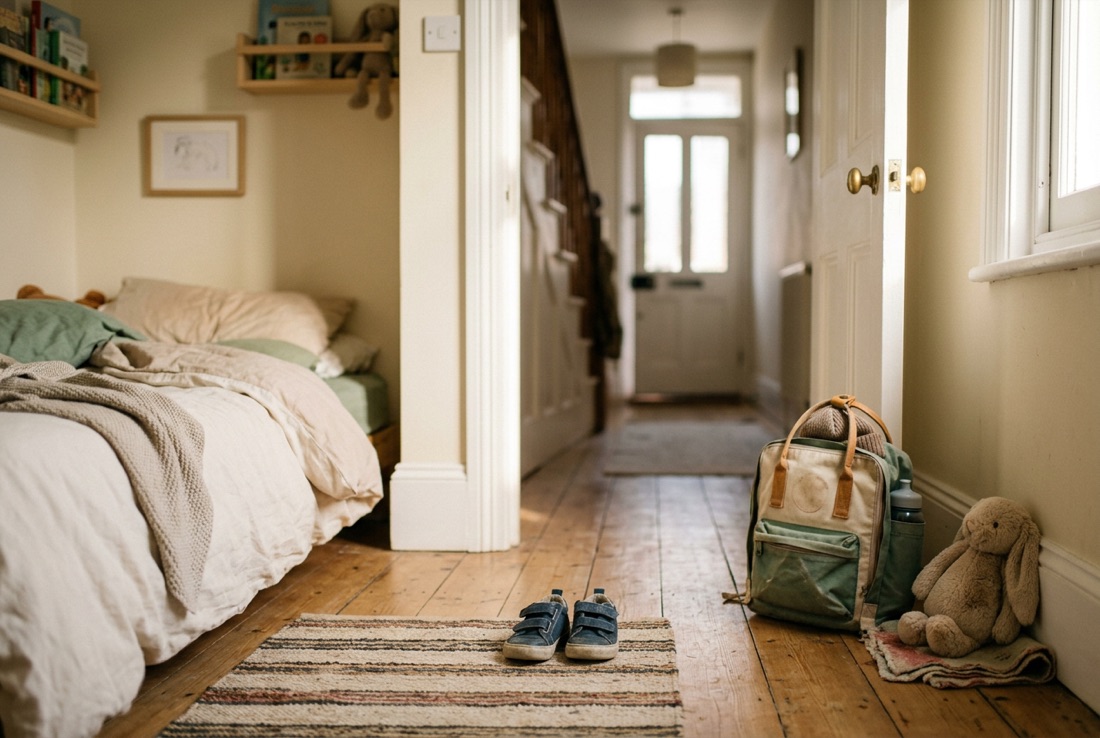
When parents separate, a child with brothers or sisters usually has a built-in companion for the ride between two homes: someone who knows exactly what the new bedroom smells like, who remembers the same weekend at Dad's, who can whisper across the back seat. An only child in a only child divorce situation makes that same journey alone. They carry the transitions, the packed bag and the quiet questions without a peer who lives the exact same story. This doesn't mean your child is destined to struggle — many only children thrive in shared custody. It simply means a few specific supports matter more, and this article walks through them concretely.
Why an only child feels the separation differently
An only child in shared custody faces a particular combination that's worth naming plainly, without alarm.
- No shared witness. Siblings validate each other's memories and feelings ("you're right, that was weird"). An only child processes internally, which can look like calm — or like bottling up.
- The full weight of attention. With no one to split parental focus, an only child can feel both wonderfully seen and, at times, over-observed or responsible for a parent's mood.
- Solo transitions. The handover moment — car door, doorbell, hallway — happens without an ally. That threshold is where loneliness tends to surface.
- Peacemaker pressure. Only children sometimes appoint themselves the emotional bridge between two parents, because there's no one to share that invisible job with.
Recognising these dynamics isn't about pathologising your child. It's about knowing where to place a little extra scaffolding.
Build a support network beyond the two parents
The single most protective thing you can do is widen the circle. An only child needs reliable people who are not Mum or Dad, so their whole emotional world doesn't rest on the two adults who are also navigating the separation.
Nurture the wider family and "chosen" adults
Grandparents, an aunt, a trusted godparent, a longtime family friend — protect these relationships fiercely and keep them consistent across both homes. A monthly video call with Grandpa that happens whether it's a Mum week or a Dad week gives your child an anchor that doesn't move.
Prioritise real peer friendships
For an only child, friends are not optional extras — they are the sibling-substitute for shared experience. Make playdates and sleepovers easy, even when custody logistics are annoying. If a best friend lives near one home only, consider how the other parent can help that friendship survive (a lift, a hosted afternoon). A shared co-parenting calendar can make it much easier to plan these across two schedules without endless back-and-forth.
Ease the loneliness of transitions
Handover days are the pressure point. Small rituals give a solo child something to hold.
- A transition object that travels. A specific soft toy, a bracelet, a small photo book of both homes. It says: you are the same person in both places.
- A predictable arrival ritual. The same snack, the same ten minutes on the sofa doing nothing before questions start. Only children often need a decompression buffer more than a warm interrogation.
- Let them arrive slowly. Resist the urge to fill the first hour with fun to prove your home is good. Quiet presence beats a performance.
If you want to go deeper on smoothing these moves, our guide on helping kids adjust to two homes pairs well with this, and a shared two-homes packing checklist means the treasured items never get left behind.
Create solo-friendly connection at each home
Because there's no sibling energy in the house, the home can feel very quiet on the parenting-off days when it's just parent and child. That silence is not a problem to fix, but it helps to design a couple of things.
Protect one-on-one time — but don't smother
Your undivided attention is a gift. Offer it in dependable pockets (bedtime chat, Saturday pancakes) rather than as constant surveillance. Then step back and let your child have genuine alone time — building, reading, imagining. Solo play is a real skill and only children are often brilliant at it; don't accidentally teach them that being alone is a void to be filled.
Bring low-key company home
A pet where feasible, a friend for dinner on a school night, a group activity outside the home (sport, scouts, a club). These fill the "other voices" gap that a sibling would naturally provide.
Protect your child from becoming the emotional glue
This is the quiet risk that matters most for an only child. With no sibling to share the load, they can slide into being your confidant, your messenger, or the referee between two homes. Guard against it gently but firmly.
- Never route logistics through your child. "Ask your mother about swimming" turns a kid into a diplomat. Keep parent-to-parent messages between the adults — a calm, low-friction co-parenting channel like Hyphen exists precisely so your child never has to carry a single message.
- Let them off the peacemaker hook out loud. Say it plainly: "It's not your job to make Mum and Dad happy. That's our job as grown-ups." Only children rarely hear this, and they need to.
- Have your own support. If you lean on your child emotionally because there's no other kid in the house to "share" you, they feel it. A friend, a sibling of your own, or a therapist takes that weight off small shoulders.
Watch for signs — and know they may be subtle
An only child without a sibling to compare notes with may internalise more, so distress can be quieter than in a busy sibling household. Look for withdrawal, regression (younger behaviour), clinginess at handovers, sleep or appetite changes, or a sudden drop of the friends who matter so much. None of these alone is alarming, but a cluster that persists deserves attention. Our piece on signs a child is struggling with divorce goes through this calmly and in detail.
If something feels stuck, a child psychologist or family counsellor can help — and for an only child, a peer support group of other children of separated parents can be especially valuable, since it recreates the shared-experience validation a sibling would give. Availability and how it's accessed vary by country, so check local school, health or family services for what's near you.
Keep both homes coherent for a solo traveller
An only child is the one constant thread between two households, with no sibling to help "translate" the differences. Reducing friction between homes lowers their load. Aligned bedtimes, a similar approach to screens and homework, and predictable rhythms mean your child isn't the one absorbing two clashing systems. You don't need identical homes — you need consistent routines across two homes on the things that anchor a child's day.
Conclusion
Being an only child in shared custody isn't a deficit — it's a specific shape of experience that responds beautifully to a specific kind of care. Widen the circle of loving adults, protect real friendships, ritualise the lonely transitions, refuse to make your child the emotional bridge, and keep the two homes coherent. Do those, and your solo child won't just cope with two homes — they'll grow up steady, resourceful and deeply secure in the knowledge that both places are entirely theirs.
Put this into practice with Hyphen
Shared custody calendar, calmer messaging and expense tracking — everything you need to co-parent peacefully, in one app.
Download Hyphen on the App StoreFrequently asked questions
Is divorce harder on an only child than on kids with siblings?
Not inherently harder, but different. An only child lacks a sibling to share memories, validate feelings and face transitions with, so they may process things more internally and need a wider network of trusted people to lean on. With intentional support, only children adapt to shared custody very well.
How do I stop my only child feeling lonely between two homes?
Prioritise friendships and make playdates and sleepovers easy across both schedules, keep wider-family relationships steady, and add calming arrival rituals at each handover. A travelling comfort object and dependable one-on-one time also help your child feel connected rather than isolated.
My only child acts like a messenger between us — how do I stop that?
Never route logistics or feelings through your child. Keep all parent-to-parent communication between the adults, using a neutral channel or a co-parenting app, and tell your child out loud that keeping the peace is not their job. Only children slide into this role easily because no sibling shares the load.
Should I get a pet or push more group activities for my only child?
Both can genuinely help, because they fill the everyday "other voices" that a sibling would provide. A pet offers steady companionship at home, while clubs, sport or scouts give regular peer contact outside it. Follow your child's temperament rather than forcing constant company on a child who also enjoys solo time.
When should I seek professional help for my only child?
Consider it if you notice a persistent cluster of changes — withdrawal, regression, handover distress, sleep or appetite shifts, or dropping close friends — that lasts several weeks. A child counsellor can help, and peer support groups for children of separated parents are especially valuable for an only child. Availability varies by country, so check local services.
Keep reading
Birthdays, School Shows and Special Events: Showing Up as Co-Parents
Birthday shared custody plans, school shows and holidays: practical ways to show up as co-parents without tension. Keep the day about your child.
7 min read
When Your Child Becomes the Messenger Between Homes: How to Take Them Out of the Middle
"Tell your dad..." Using a child messenger after divorce quietly harms them. Here's why it happens and concrete ways to take your child out of the middle.
6 min read
When Your Child Refuses to Go to the Other Parent's Home
When your child refuses to visit a parent, it's rarely rejection. Understand the real reasons and get calm, concrete steps to respond and ease transitions.
7 min read